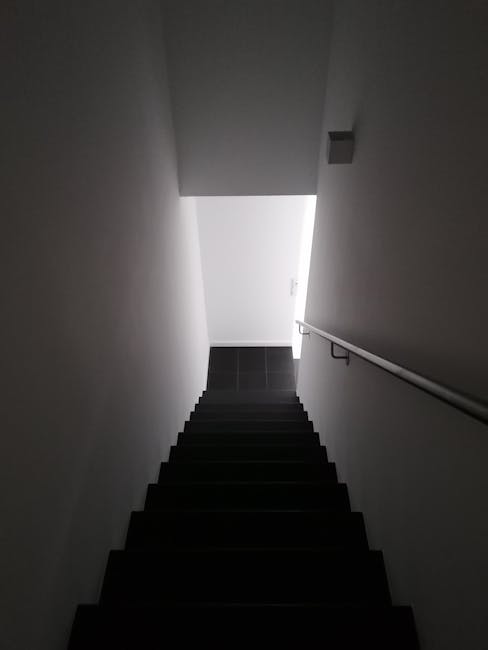
Tight Stairs on Columbia Road? Safe Removal Options E2
Moving in and out of a property with narrow stairs can turn a normal removal day into a proper puzzle. On Columbia Road and around E2, that often means tight stairwells, awkward turns, older buildings, limited parking, and the lovely little surprise of a sofa that seemed smaller in the shop. If you are trying to work out the safest way to handle Tight Stairs on Columbia Road? Safe Removal Options E2, this guide walks you through the real choices, the risks, and the methods that tend to work best.
You will find practical advice here, not vague theory. We will cover when to use a man and van, when a larger team makes sense, how to prepare furniture for a difficult staircase, and what safe working practices should look like on the day. If you want broader support for a move, it can also help to look at man and van support, home moves, or even house removalists if the job is more demanding than it first appears.
Let's face it: with tight stairs, the cheapest option is not always the safest one. And the safest option is usually the one that protects your furniture, your walls, and your back.
Table of Contents
- Why Tight Stairs on Columbia Road? Safe Removal Options E2 Matters
- How Tight Stairs on Columbia Road? Safe Removal Options E2 Works
- Key Benefits and Practical Advantages
- Who This Is For and When It Makes Sense
- Step-by-Step Guidance
- Expert Tips for Better Results
- Common Mistakes to Avoid
- Tools, Resources and Recommendations
- Law, Compliance, Standards, or Best Practice
- Options, Methods, or Comparison Table
- Case Study or Real-World Example
- Practical Checklist
- Conclusion
- Frequently Asked Questions
Why Tight Stairs on Columbia Road? Safe Removal Options E2 Matters
Tight staircases change everything about a removal. A sofa that glides through a hallway in a modern flat can become a full-scale negotiation on a Victorian staircase with a bend half-way up. Columbia Road and the surrounding E2 streets include plenty of homes where access is simply not generous. Narrow landings, steep steps, painted banisters, low ceilings, and old plaster are common enough to deserve respect.
Why does this matter so much? Because one bad angle can mean a damaged wall, a trapped item, or a strained shoulder. And when you are moving a heavy wardrobe, that is not a small issue. It can become a safety problem in seconds. In our experience, the properties that look "just a little awkward" are often the ones that need the most planning. The most ordinary-looking move can be the one that catches people out.
Safe removal options are about more than lifting technique. They include planning the route, checking measurements, protecting surfaces, deciding whether items need dismantling, and choosing the right crew size. For some jobs, a flexible man-with-van arrangement is enough. For bigger or heavier loads, the right answer may involve removal truck hire or a more structured service that can handle awkward access without improvising under pressure.
A useful way to think about it is this: the stairs are not just a route, they are a constraint. Once you understand the constraint, the move becomes a problem you can solve instead of a problem you have to wrestle with.
How Tight Stairs on Columbia Road? Safe Removal Options E2 Works
The basic process is straightforward, even if the staircase is not. First, the item is assessed. Then the route is checked. After that, the right method is chosen based on weight, shape, and how much turning space exists. Sometimes the item can be carried upright. Sometimes it needs to be angled. Sometimes it is better to dismantle it before the first lift. That last part is often the difference between a calm job and a stressful one.
On narrow stairs, removals usually rely on three things: accurate preparation, controlled handling, and communication. The team needs to move slowly enough to react but not so slowly that everyone loses rhythm. It sounds simple. It rarely is. Someone has to call out "pause", "tilt", "turn", or "down a step" at the right time, and everyone needs to listen. Tiny timing errors on a staircase have a habit of becoming very obvious.
A safe removal method may also include additional services. If you need help wrapping items, bagging loose parts, or separating fragile pieces, packing and unpacking services can reduce the pressure before the first box even moves. For office relocations with staircase access issues, office relocation services can bring a more structured approach, especially if desks, monitors, and filing units need careful handling.
In practice, the process often runs like this:
- Measure the item and the staircase.
- Check landings, turns, bannisters, and ceiling clearance.
- Decide whether the item should be dismantled.
- Protect corners, doors, and high-contact areas.
- Lift in a controlled way with the right number of people.
- Move slowly, communicate constantly, and avoid forcing angles.
- Reassemble or place the item safely at the destination.
That may sound methodical, and it is. But methodical is good. Especially on a staircase.
Key Benefits and Practical Advantages
Choosing a safe approach for tight stairs gives you more than peace of mind, though that alone is worth a fair bit on moving day. It also reduces the chance of damage, speeds up the job once the plan is clear, and makes the whole move feel more controlled. Control matters. You can feel the difference in the room almost immediately.
- Less damage to property: walls, paintwork, stair rails, and door frames stay better protected.
- Lower injury risk: fewer awkward lifts, fewer rushed movements, and less strain on the lower back.
- Better use of time: a clear route and prepared items keep the move moving.
- Less stress for you: you are not improvising with a heavy wardrobe half-way on the landing.
- More predictable results: careful planning usually means fewer surprises.
There is also a money angle, even if nobody loves thinking about it. A well-planned removal can avoid repair costs and wasted time. For some people, it is worth comparing options early and getting a clear sense of pricing before the day arrives. If you are still weighing the type of move you need, the team behind pricing and quotes may be useful when you are trying to work out what level of support makes sense.
A smaller but important benefit: the right method protects the item itself. Tight stairs are unforgiving with mirrors, wardrobes, beds, and pianos. One clumsy twist, and that lovely glossy surface suddenly has a story you did not want.
Who This Is For and When It Makes Sense
This kind of removal support is useful for a lot of people, not just those moving a huge sofa in a hurry. In fact, some of the most common requests come from households with a few bulky items, not a giant house move. If your staircase is narrow, your hallway bends sharply, or your building has awkward access, you are already in the right category.
It makes particular sense if you are:
- moving into or out of a flat on Columbia Road or nearby E2 streets
- dealing with a split-level property or a top-floor walk-up
- moving furniture that cannot safely be carried by one person
- relocating a small office with limited staircase access
- transporting items that need dismantling and reassembly
- short on time and trying to avoid damage or delays
It is also a good fit if you know you are not comfortable with heavy lifting. No shame in that. Most people are not, and there is a world of difference between helping a friend carry a chair and navigating a wardrobe around a spiral turn on a narrow landing. Truth be told, confidence can disappear pretty quickly once a large object starts to tip.
Sometimes the need is more about disposal than relocation. If an item is too awkward to keep, collect, or move, a service like furniture pick-up can help you remove it without trying to drag it down stairs yourself. That is especially handy when the piece is already damaged, too large, or simply not worth another round of effort.
Step-by-Step Guidance
Here is the practical version. Not glamorous, but useful.
1. Measure before anything else
Measure the height, width, and depth of the furniture. Then measure the narrowest part of the staircase, the landing, and any sharp turn. Do not guess. A couple of centimetres can matter more than you think. A tape measure in the wrong place is still better than no tape measure at all, though.
2. Check the route from room to truck
Look at the path from the item's current position to the exit. Are there lamp shades, radiator pipes, awkward door handles, or framed pictures in the way? Remove obstacles before anyone starts lifting. It sounds obvious, but it is exactly the kind of thing people forget when they are in a rush and the kettle is still warm in the kitchen.
3. Decide whether dismantling is needed
Bed frames, table legs, shelving units, and some wardrobes are usually easier in pieces. Dismantling can be the safer option if the staircase has a sharp turn or a tight ceiling line. Keep screws and fittings in labelled bags. Future you will be grateful.
4. Protect the property
Use blankets, corner protection, and floor coverings where necessary. Tight stairs mean more accidental contact with paintwork and banisters, especially when turning. A few minutes spent protecting surfaces can save an annoying repair later.
5. Assign roles clearly
One person should lead the lift and call the movements. Everyone else follows that guidance. If nobody is calling the shots, people start moving at slightly different speeds, which is where the wobble begins. And then everyone gets quiet in that tense, polite way people do when they realise the item is now larger than the stairwell emotionally.
6. Move slowly and reset often
Do not force the angle. If it feels wrong, stop, lower, and re-plan. Safe removals are often a series of micro-adjustments. That is normal. It does not mean the move has failed. It means you are handling it properly.
7. Check the landing point
Once the item reaches the van or the new room, make sure it is placed securely. If needed, use a service such as moving truck support to make sure the loading process is just as controlled as the staircase move itself.
Expert Tips for Better Results
After a while, you start to notice the same patterns. The jobs that go smoothly are usually the ones where someone took the stairs seriously from the start. A few small habits make a big difference.
- Use two people for awkward shapes. Even when the item seems manageable, a second pair of hands can stabilise the turn.
- Remove doors where sensible. Sometimes a door off its hinges gives you the breathing room you need.
- Wrap fragile edges. Corners take the first hit on stairwells. Always.
- Keep one clear escape path. It sounds dramatic, but tight spaces demand room to retreat and reset.
- Lift with the route in mind. The item is not just going up or down; it is also turning, leaning, and clearing surfaces.
- Speak up early. If something feels off, say so before the item is halfway through a bend.
One little tip that is overlooked far too often: wear proper shoes. Slippery soles on a narrow stair are a bad mix. Not ideal. Not even a bit.
If you are planning a larger move, it can help to think about the whole journey rather than the staircase alone. Services like man-with-van support work well for lighter loads and local moves, while larger or more complex relocations may be better suited to commercial moves or a fuller home moves setup. The right fit depends on the job, not just the postcode.
Common Mistakes to Avoid
Most staircase problems are preventable. The trouble is, people often only spot the risk once the item is already at a difficult angle. Here are the mistakes that tend to cause the most grief.
- Not measuring properly: assuming a sofa will "probably fit" is how many headaches start.
- Underestimating weight: objects feel heavier on stairs, especially when the grip is awkward.
- Trying to force the turn: if it jams, stop. Forcing it only increases the damage risk.
- Ignoring landing space: the landing is often the real bottleneck, not the stairs themselves.
- Skipping protection: unprotected bannisters and walls are easy to scuff.
- Leaving dismantling too late: if the item is too large, do it before the move, not after the first failed attempt.
- Not agreeing on signals: when the team does not know who is calling "stop" or "lift", confusion follows.
One more mistake, and this one is sneaky: planning for the item but not for the building. Older E2 properties can have uneven steps, cramped turns, or shared entrances with limited waiting space. A safe move has to account for the whole environment, not just the object in your hands.
Tools, Resources and Recommendations
You do not need a van full of specialist gear to handle a tight-stairs removal, but a few practical tools can make a serious difference. Think useful, not flashy.
- Tape measure: for checking clearances before the move.
- Furniture blankets: to protect paintwork and soften contact points.
- Straps or grips: for better control on heavier pieces.
- Basic tool kit: for taking apart beds, tables, and shelving.
- Labels and bags: to keep fittings together after dismantling.
- Gloves: for grip and a bit of protection from rough edges.
- Floor protection: especially useful on polished floors or narrow hallways.
If you want a more organised approach, using a team that already works around local access issues is often worth it. A well-run removal plan should include straightforward communication, punctual arrival, sensible loading order, and realistic expectations about the time needed. If you are comparing options, you may also find the company's insurance and safety information useful, because access problems are exactly where clear responsibility matters.
And if the move is part of a bigger home refresh, it can help to line up waste reduction or item disposal in advance. The page on recycling and sustainability is relevant when you are deciding what to keep, what to reuse, and what should be removed responsibly. A little planning here saves a lot of clutter later.
Law, Compliance, Standards, or Best Practice
For a stair-heavy move, the main compliance question is usually safety, not paperwork. In the UK, general duties around safe handling and workplace risk apply whether the job is at home or at a business address. That means the people doing the lifting should act sensibly, avoid unnecessary risk, and use suitable methods for the load and the access conditions.
In plain English, best practice means:
- do a proper access check before heavy lifting starts
- use enough people for the item and the stair layout
- avoid unsafe manual handling
- protect building surfaces where contact is likely
- stop and reassess if the route changes or becomes unsafe
For landlords, tenants, and business occupiers, it is also sensible to think about building rules, shared access, and any permission needed for loading or parking. Nobody wants a moving van blocking a narrow street longer than necessary, especially on a busy stretch near Columbia Road. A little courtesy goes a long way there.
Insurance matters too. If damage does happen, everyone wants to know the process is clear. That is why it helps to review the company's relevant policy information, including health and safety policy and terms and conditions, before the move begins. It is not exciting reading, admittedly, but it does give useful peace of mind.
Options, Methods, or Comparison Table
Different access problems call for different solutions. Here is a practical comparison to help you judge what is likely to work best.
| Option | Best for | Strengths | Watch-outs |
|---|---|---|---|
| Carry as-is | Smaller items, wider turns | Fast, simple, low prep | Not suitable for bulky or fragile furniture |
| Dismantle first | Beds, shelving, wardrobes, tables | Makes awkward items manageable | Takes time; parts must be kept organised |
| Two-person or multi-person lift | Heavy or awkward loads | Better control and balance | Needs clear communication and coordination |
| Full removal service | Larger homes or complex access | Structured planning and support | Usually more involved than a simple pickup |
| Item collection/disposal | Unwanted furniture or bulky waste | Removes the need for self-lifting | Not for items you still need to keep |
If your move is light and local, a smaller setup can work well. If it involves several awkward pieces, a stronger option may be more sensible from the start. There is no prize for making the staircase harder than it needs to be.
Case Study or Real-World Example
Here is a realistic example based on the kind of jobs that come up around E2. A couple was moving from a first-floor flat near Columbia Road. The sofa looked fine in the living room, but the stairwell had a sharp turn and a low ceiling at the landing. At first glance, they assumed three people could just muscle it through.
Once the measurements were taken, it became clear the sofa needed to be angled and partly guided on its side. The team removed the feet, wrapped the corners, and cleared the route before lifting. One person called the turns, one steadied the lower end, and one protected the wall contact points. It took a bit longer than they expected. Not dramatically longer, just enough to feel careful rather than hurried.
The result? No scrapes on the wall, no strained backs, and no awkward "sorry about that" moment at the bottom of the stairs. The couple later said the relief was not just about the sofa fitting, but about not having to think about the stairs again. That is the thing with a good removal plan: it gives you back your headspace.
Practical Checklist
Use this simple checklist before you start:
- Measure the furniture and the tightest part of the stair route
- Check the landing, hallway, and doorway clearances
- Decide whether dismantling is needed
- Gather blankets, tape, tools, and labels
- Protect walls, bannisters, and floors
- Assign one person to lead communication
- Confirm the van or truck access point
- Remove loose items, shelves, or handles where sensible
- Plan where each item is going at the destination
- Have a backup plan if the item does not clear the stairwell safely
If you are moving several rooms' worth of belongings, the same checklist still applies, only with more repetition. The principle stays the same: prepare well, lift carefully, and do not rush the awkward bits.
Key takeaway: the safest way to deal with tight stairs in Columbia Road and E2 is usually the one that combines measuring, preparation, clear communication, and the right amount of help. Simple in theory. Very manageable in practice, if you plan properly.
Conclusion
Tight stairs do not have to ruin a removal. They just need to be treated as a real part of the job, not an annoying detail to be dealt with later. Once you measure carefully, choose the right method, and protect the route, the move becomes calmer and far less risky. That matters whether you are moving a single heavy item or an entire flat.
On Columbia Road and across E2, safe removal is usually about judgment as much as muscle. A good plan respects the building, the furniture, and the people doing the lifting. And honestly, that is what makes a move feel professional rather than improvised.
If you are still unsure which option fits your staircase, start with a clear assessment and ask for help before the awkward moment arrives. It saves time, money, and a fair bit of stress.
Get a free quote today and see how much you can save.
When the route is tight, the calmest moves are the ones that were thought through early. That little bit of care goes a long way.
Frequently Asked Questions
Can a sofa really fit up a tight staircase on Columbia Road?
Sometimes yes, sometimes no. It depends on the sofa dimensions, the landing size, the turn in the stairwell, and whether the piece can be angled safely. Measuring first is the only sensible way to know.
Is dismantling furniture worth it for narrow stairs?
Often, yes. Taking off legs, headboards, shelves, or doors can make a big difference. It is usually easier to spend a bit of time dismantling than to force a piece through a stairwell that is clearly too tight.
What is the safest way to move heavy items down steep stairs?
The safest approach is usually slow, controlled, and done with enough people for the weight and shape involved. Good grip, clear communication, and frequent pauses matter more than speed.
Do I need a full removal service or just a man and van?
That depends on the size of the move and the access conditions. A smaller load with one or two awkward items may suit a man and van setup, while a full property move or heavier furniture may need something more structured.
How do I protect my walls and bannisters during a removal?
Use furniture blankets, corner guards, and floor protection where needed. Most marks happen during turns, so that is where careful protection pays off most.
What should I measure before moving furniture on narrow stairs?
Measure the item itself, the tightest width of the staircase, the landing, doorway clearances, and any low ceiling points. Do not rely on rough estimates.
Are tight stairs a reason to hire professional removal help?
Very often, yes. If the furniture is heavy, fragile, valuable, or awkwardly shaped, professional help can reduce risk and make the move much less stressful.
Can I move furniture by myself on a narrow staircase?
Small lightweight items, perhaps. But for bulky or heavy furniture, solo lifting is rarely a good idea. If the item slips, you have no second person to steady it, and that can go wrong quickly.
What happens if the item gets stuck halfway?
Stop, lower it carefully if possible, and reassess the angle. Do not push harder. Sticking usually means the item needs a different orientation or should be dismantled.
How far in advance should I plan a move with tight stair access?
As early as you can, especially if you need dismantling, parking coordination, or extra handling support. Even a small amount of planning the day before can make the move much easier.
Are there any safety rules I should think about for stair removals in the UK?
Yes. The main point is to avoid unsafe manual handling and to use reasonable care for people and property. If something feels too heavy or awkward, that is a sign to stop and change the plan.
What if I only need one item removed from a flat with tight stairs?
That is still worth handling carefully. One item can be just as awkward as a full move if the access is narrow. In some cases, a simple collection or pickup is the cleanest solution.