Bethnal Green Station removals parking and timing tips
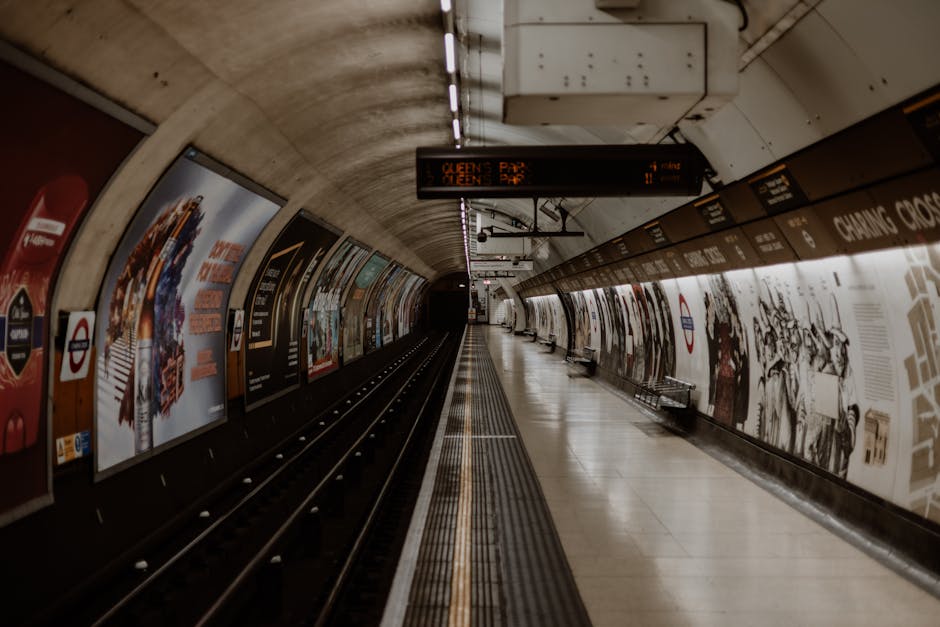
If you are planning a move near Bethnal Green Station, the big headache is rarely the boxes. It is usually the parking, the timing, and the tiny domino effect that starts when a van arrives five minutes late and the street is already busier than expected. Bethnal Green Station removals parking and timing tips matter because this part of East London is compact, active, and a bit unforgiving on moving day. Get the access plan right, and the rest feels calmer. Get it wrong, and you can lose half an hour before the first sofa even leaves the flat.
This guide walks you through the practical side of moving around Bethnal Green Station: where timing goes wrong, how to plan loading and unloading, what to think about for vans and larger removal vehicles, and how to keep the whole thing efficient without cutting corners. If you're moving a home, a flat, or even a small office, these are the details that save stress. And, to be fair, a lot of stress.
Table of Contents
- Why Bethnal Green Station removals parking and timing tips Matters
- How Bethnal Green Station removals parking and timing tips Works
- Key Benefits and Practical Advantages
- Who This Is For and When It Makes Sense
- Step-by-Step Guidance
- Expert Tips for Better Results
- Common Mistakes to Avoid
- Tools, Resources and Recommendations
- Law, Compliance, Standards, or Best Practice
- Options, Methods, or Comparison Table
- Case Study or Real-World Example
- Practical Checklist
- Conclusion
- Frequently Asked Questions
Why Bethnal Green Station removals parking and timing tips Matters
Near Bethnal Green Station, moving day is shaped by the street, not just the property. That sounds obvious, but people underestimate it all the time. Narrow roads, parked cars, delivery traffic, school runs, cyclists, and the general East London shuffle can all change how long a job takes. Even if your move is only a few streets away, the difference between an easy load and a difficult one can be surprisingly small: one awkward parking position, one blocked entrance, one late arrival. Suddenly the clock is doing its thing.
The reason this matters is simple. Moving costs are usually tied to time, effort, vehicle access, and the amount of handling required. A van parked close to the entrance means fewer steps, fewer trips, and less chance of damage. A van that has to sit far away from the property can turn a neat plan into a slog. That is especially true for heavier furniture, white goods, or anything fragile that needs a steady hand.
Timing matters just as much. A move scheduled for the wrong time of day can run into commuter traffic, busier footfall around the station, or awkward loading conditions outside homes and businesses. If you want a smoother day, think like a mover for a moment. Where will the vehicle stop? How long can it stay there? What happens if the lift is busy or the street is temporarily full? Those are the questions that make the difference.
For people booking a man and van service or arranging a larger vehicle through removal truck hire, a bit of planning goes a long way. The job does not need to be complicated. It just needs a realistic eye on access and time.
How Bethnal Green Station removals parking and timing tips Works
In practice, good moving logistics near Bethnal Green Station come down to matching the vehicle size, the street layout, and the time slot to the actual conditions on the day. No mystery there. The trick is not assuming the road outside will be as convenient as it looks on a map.
Most local moves follow a pattern: the vehicle arrives, parks as close as possible, items are brought out in the safest order, and the loading is done with as little waiting as possible. If parking is tight, the crew may need to work in phases, carrying items to a temporary holding point before loading. If timing slips, the vehicle may need to reposition or wait for access. Neither is ideal. Both are manageable if planned early.
There is also a difference between a quick single-item collection and a full household removal. A light job can tolerate a bit of delay. A full flat move cannot. When people use a man with van arrangement for smaller moves, timing flexibility is often better. For larger jobs, especially those needing a moving truck, the schedule tends to be tighter and access needs more attention.
One practical point that often gets missed: loading time includes more than lifting. It also includes waiting for lift access, walking through hallways, protecting surfaces, confirming item lists, and dealing with the inevitable one thing that was left in a cupboard. You know the one. It always appears last.
What good parking looks like on moving day
A good parking setup is close, legal, and safe. The vehicle should not block junctions, pedestrian routes, or anything that creates risk or complaint. It should also allow a clear path between the door and the van. If you can reduce carrying distance, you reduce fatigue and the chance of bumping walls, bannisters, or door frames. That is especially useful if you are using house removalists for a fuller move where several bulky items are coming out at once.
How timing affects access
Early morning slots often work well for local removals because the area is generally calmer, though that depends on the specific street and day. Midday can be fine too, but it may mean more movement around the station and busier kerbside conditions. Late afternoon is where plans sometimes wobble. The day has already had time to fill up with traffic, deliveries, and delays from other jobs. Truth be told, many moving problems are just timing problems in disguise.
Key Benefits and Practical Advantages
When you get the parking and timing right, the whole move tends to feel easier. Not glamorous, but very real. Here are the main benefits.
- Less carrying distance: the van is closer, so movers spend more energy on loading rather than walking.
- Faster turnaround: less time lost to manoeuvring, waiting, or re-parking.
- Lower risk of damage: shorter routes through hallways and entrances reduce knocks and scrapes.
- Better control over the schedule: planned timing helps you avoid peak busyness near the station.
- Less stress for everyone: a calmer setup helps both the crew and the people moving out.
- Better value for money: when time is used well, the move usually feels more efficient.
There is also a softer benefit that people underestimate. A well-organised move feels more respectable, if that makes sense. You are not scrambling, apologising, or trying to hold up traffic with one arm while directing a sofa with the other. The day has rhythm. That matters more than people admit.
If you are moving a home and want additional help with packing or fragile items, it can be worth looking at packing and unpacking services before the move date. Good packing shortens loading time, and shorter loading time makes parking less painful. Simple chain reaction, really.
Who This Is For and When It Makes Sense
This guidance is useful for almost anyone moving near Bethnal Green Station, but it is especially relevant if your property sits on a busy road, in a converted building, above a shop, or in a block where access is shared. It also matters more if you have heavier items, a narrow staircase, no lift, or a limited loading window.
It makes particular sense for:
- flat moves near the station or along busier approach roads
- student or shared-house moves with lots of small items
- family home removals where furniture needs careful handling
- small commercial relocations with stock, files, or equipment
- furniture collections where parking needs to be brief and tidy
If your move is business-related, parking and timing can become even more sensitive. An office move often needs a precise slot to avoid disrupting staff, deliveries, and clients. In that case, office relocation services can be useful because the schedule needs to work around the business day, not the other way around.
For commercial relocations that involve more stock or more foot traffic, commercial moves bring a different pace and set of priorities. The basic ideas are the same, but the tolerance for delay is usually lower.
Step-by-Step Guidance
If you want a more reliable moving day near Bethnal Green Station, use this practical sequence. It is not fancy. It just works.
- Check the property access first. Look at the entrance, stairs, lift, doorway width, and any gate or courtyard access. If the path is awkward, note it early.
- Map the vehicle stopping point. The van should ideally be as close as safely and legally possible to the property. Think in metres, not optimism.
- Choose the time slot with care. Avoid peak congestion where possible, and allow margin for arrivals, handovers, and building access.
- Pack so loading is faster. Label boxes, group fragile items, and keep essentials separate. A tidy stack saves time immediately.
- Reserve enough time for larger items. Beds, wardrobes, desks, and appliances rarely move as quickly as people hope. They always look easier than they are.
- Keep walkways clear. This helps the crew move safely and keeps the building tidy.
- Confirm vehicle type before the day. If the job needs a van, do not assume a larger truck will be easy to park near the station. Sometimes smaller is smarter.
- Have a back-up plan for holding space. If the nearest spot is taken, decide in advance where the vehicle can wait briefly without causing problems.
A helpful rule: if you think something may take ten minutes, plan for fifteen. That small buffer often absorbs the awkwardness that moving day likes to throw at you.
Expert Tips for Better Results
Here is where the local experience really matters. These are the little adjustments that improve a move without making it more complicated.
Book for the street, not just the postcode
Two properties a few hundred metres apart can have very different access conditions. One may have easy stopping space. The other may be tucked beside station foot traffic or a road that fills up quickly. Ask yourself: would I choose the same loading approach for both? Probably not.
Keep the heaviest items closest to the exit
If you are loading from a flat, place bulky items like wardrobes, sofas, and appliances near the door before the move starts. That reduces indoor shuffling and saves everyone from the oddly exhausting game of moving the same object twice.
Use the quietest hours where possible
Morning is often best, especially if you want to avoid the day building into a mess of traffic and interruptions. Even a modest start-time advantage can make the move feel more controlled. Early light, cooler air, fewer people around. It helps.
Think about the weather, even in London
A damp stairwell, wet boxes, or slippery pavement can slow a move more than you would expect. A simple waterproof cover or a bit of extra protection for the entry area can make a difference. Nothing dramatic. Just sensible.
Use the right vehicle size
Sometimes people assume a bigger vehicle is always better. Not necessarily. Around Bethnal Green Station, the best choice is often the one that can actually stop safely and load efficiently. A smaller vehicle with a sensible schedule can beat a larger one that struggles to park. That is just practical, really.
If you are not sure which option suits your move, a conversation with a local team can help. You might compare a smaller man and van setup against a full removal truck hire arrangement and see which one matches the access you actually have.
Common Mistakes to Avoid
Most moving-day problems near Bethnal Green Station come from a few repeat mistakes. Avoid these and you are already ahead.
- Assuming there will be parking right outside: there often will not be. Plan for a realistic stopping point.
- Starting too late: later starts can run into traffic, busy pavements, and tighter time pressure.
- Underestimating loading time: boxes, wrap, disassembly, and lift access all take longer than the neat plan on paper.
- Forgetting to tell the mover about access issues: stairs, codes, narrow doors, and shared courtyards all matter.
- Mixing packed and unpacked items: this slows everything down because the crew has to keep stopping to sort things out.
- Using the wrong vehicle: if the vehicle is too large for the street, the move becomes awkward before it has even started.
One small but common issue is failing to clear the final route from room to vehicle. People clean the lounge, then leave a plant stand, a bicycle, a mirror, and three shopping bags in the hallway. It happens. But it costs time. And a bit of patience too.
Tools, Resources and Recommendations
You do not need a toolkit full of specialist gear to make this easier, but a few simple items help.
- Strong labels or marker pens: useful for identifying boxes by room and priority.
- Protective wrapping: good for mirrors, glass, and anything awkwardly shaped.
- Furniture covers and blankets: especially useful when carrying items through a narrow entrance.
- Tape measure: helpful if you want to check furniture dimensions against doorways or stair turns.
- Basic bag for essentials: keep keys, documents, chargers, medication, and a change of clothes separate.
- Mobile phone fully charged: sounds obvious, but moving day eats battery fast with calls, maps, and messages.
It also helps to choose a provider that is clear about pricing and how the move is handled. If you want to understand likely costs and booking options, take a look at pricing and quotes before you confirm anything. Clarity at the start saves a lot of back-and-forth later.
For people who want to reuse or remove surplus furniture rather than move it, furniture pick up can be a practical companion service. Sometimes the smartest move is not moving everything.
Law, Compliance, Standards, or Best Practice
When moving around Bethnal Green Station, the main compliance concerns are usually practical rather than dramatic. You are typically thinking about safe stopping, not blocking traffic, respecting building rules, and handling property carefully. If a van is parked on the street, the driver should follow the relevant local parking restrictions and loading expectations. Exact rules can vary by street and time of day, so it is best to check conditions in advance rather than assume.
Best practice also means protecting people and property. That includes using appropriate lifting methods, keeping pathways clear, and making sure items are moved without creating unnecessary risk. In the UK, moving work is normally carried out with attention to health and safety, manual handling, and insurance expectations. You do not need to become an expert in the paperwork, but you do want a provider that treats the job seriously.
For reassurance, it is sensible to ask how a company approaches vehicle safety, item protection, and liability for damage. A trustworthy moving team should be comfortable explaining their process in plain English. If you want to understand that side in more detail, the site's insurance and safety information is a useful place to start. You can also review the health and safety policy if you want to know how careful handling is approached.
There is also a wider service standard issue here. Good movers do not just show up and hope for the best. They plan access, communicate delays, and keep the day moving without drama. That is the baseline, honestly.
Options, Methods, or Comparison Table
Choosing the right moving approach near Bethnal Green Station usually depends on volume, access, and how strict your schedule is. Here is a simple comparison to help you think it through.
| Option | Best for | Parking impact | Timing impact |
|---|---|---|---|
| Man and van | Small to medium moves, single rooms, lighter furniture | Often easier to park and reposition | Good for flexible schedules and shorter jobs |
| Moving truck | Larger home moves, more furniture, bigger load volumes | Needs more careful access planning | Works best with a firm start time and a clear route |
| Removal truck hire | Moves where a dedicated vehicle is needed for a set period | Useful if you need direct control over loading time | Best when the move has a defined window and organised packing |
The table above is not about which option is "best" in general. It is about fit. A small move with tight parking can be easier with a modest vehicle. A large family relocation may need the capacity of a fuller removal setup, even if the parking is a bit more involved. The right choice depends on the actual job, not the label.
Case Study or Real-World Example
Here is a realistic example. A couple moving out of a second-floor flat near Bethnal Green Station had a decent amount of furniture but not a huge volume of boxes. Their first instinct was to book a late-morning slot because it felt convenient. On paper, that looked fine. In practice, it would have put the loading right into the busiest part of the day.
Instead, they shifted to an earlier start, packed the smaller items the night before, and kept the large pieces grouped near the entrance. They also checked where the vehicle could stop without blocking the street. Nothing dramatic happened. Which, on moving day, is usually the best outcome.
The van parked close enough for a short carry, the heavier furniture went first, and the job stayed compact. There was still a bit of shuffling, of course. There always is. One shelf would not fit on the first try, and somebody remembered a lamp last. But the move stayed on schedule because the access plan was realistic from the beginning.
That is the real lesson here. Not perfection. Just a move that does not fight the street.
Practical Checklist
Use this quick checklist the day before and again on the morning of the move.
- Confirm the exact address and access route
- Check where the vehicle can stop safely
- Allow extra time for station-area traffic and footfall
- Pack and label boxes by room
- Separate essentials you will need immediately
- Measure large furniture against doorways and stair turns
- Clear hallways, landings, and entrances
- Tell the mover about lifts, codes, or shared access points
- Protect fragile items and flooring where needed
- Keep your phone charged and reachable
- Have keys, documents, and payment details ready
- Build in a small time buffer, because life happens
If you are still refining the plan, it can help to read more about home moves and the general approach to handling domestic removals smoothly. It gives you a better sense of how the day is usually structured.
For very small, one-off jobs, a straightforward man with van option may be enough. For bigger household moves, a more structured service can reduce the amount of juggling on your side. Either way, the parking and timing basics stay the same.
Conclusion
Moving near Bethnal Green Station does not have to be chaotic. Once you think through parking, access, and timing, the whole job becomes far more manageable. That is really the point of Bethnal Green Station removals parking and timing tips: not to overcomplicate the process, but to remove the avoidable friction that turns a normal move into a long day.
Focus on a realistic vehicle stop, choose a sensible time slot, pack with loading in mind, and leave a small buffer for the unexpected. Do those things well and you give yourself a much better chance of a calm, efficient move. Not perfect. Just calm, which is probably what you want most.
Get a free quote today and see how much you can save.
If you want a move that feels more organised from the start, a little planning around the station, the street, and the clock can make all the difference. And once the last box is inside, that relief is hard to beat.
Frequently Asked Questions
What is the best time of day for removals near Bethnal Green Station?
Earlier starts are often easier because the area is usually less busy, but the best time depends on your street, your building access, and how much you are moving. The aim is to avoid unnecessary congestion and keep the vehicle close for as long as needed.
Do I need parking arranged before moving day?
You should always think about parking in advance, even if you are not reserving a formal bay. At minimum, work out where the vehicle can stop safely and legally. If parking is left until the last minute, the whole move can slow down quickly.
Is a van better than a larger removal truck near the station?
Not always. A smaller vehicle can sometimes be the smarter choice if the street is tight or stopping space is limited. A larger vehicle is better when the load is bigger and the access is workable. Fit matters more than size for its own sake.
How much extra time should I allow for a move in this area?
It is wise to build in a margin for access, loading, and local traffic. Even if the move itself is straightforward, the surrounding conditions can add delay. A small buffer feels generous on the calendar and very sensible on the day.
What if the van cannot park right outside my property?
Then the team may need to carry items a little further or use a nearby stopping point. That is normal in urban areas. The key is to plan for it rather than discovering it during loading.
Should I pack everything before the movers arrive?
Yes, as much as possible. Fully packed boxes make loading faster and reduce the risk of lost items or confusion. Loose items slow the process and usually create more handling than anyone wants.
Are there special access issues around Bethnal Green Station?
The main issues are usually busy streets, limited parking, and pedestrian activity rather than anything unusual. But every building is different. A top-floor flat with a narrow staircase is a very different job from a ground-floor collection.
Can I use a man and van for a small flat move?
Yes, a man and van setup is often a good fit for smaller moves or lighter loads. It can be more flexible on tight streets and is usually easier to organise when you do not need a full-scale removal vehicle.
What should I tell the moving team before the booking?
Share the exact address, floor level, lift access, furniture size, any narrow entrances, and whether parking is difficult. The more accurate the information, the more accurate the plan will be. Simple as that.
How do I reduce the risk of damage during loading?
Use proper packing materials, protect fragile items, clear walkways, and keep bulky furniture close to the exit before the move starts. Good timing also helps because it reduces rushed handling, which is where problems often happen.
Is it worth using packing and unpacking help?
It can be, especially if you are short on time or have a lot of fragile items. It usually makes the day smoother and can reduce loading delays. For many people, that alone is worth it.
What is the easiest way to make a move near the station less stressful?
Plan the parking, choose a sensible time, pack early, and communicate access details clearly. That combination removes most of the friction. The move will still be a move, of course. But it will feel much more under control.